The need to be productive is built into the responsibility you have to be polite, brush your teeth and even hold up your end of the social contract by participating in the workforce.
For in accepting that we have certain things we must attend to, and in deciding to undertake these challenges, we become married nearly without consent to the idea of making the most of our time (aka., being productive).
The truth is that productivity is a product. And a good one. The word is satisfying to pronounce. The consonants and vowels play well together. And if someone asks about your weekend, it’s far cooler to respond “productive” than “good.”
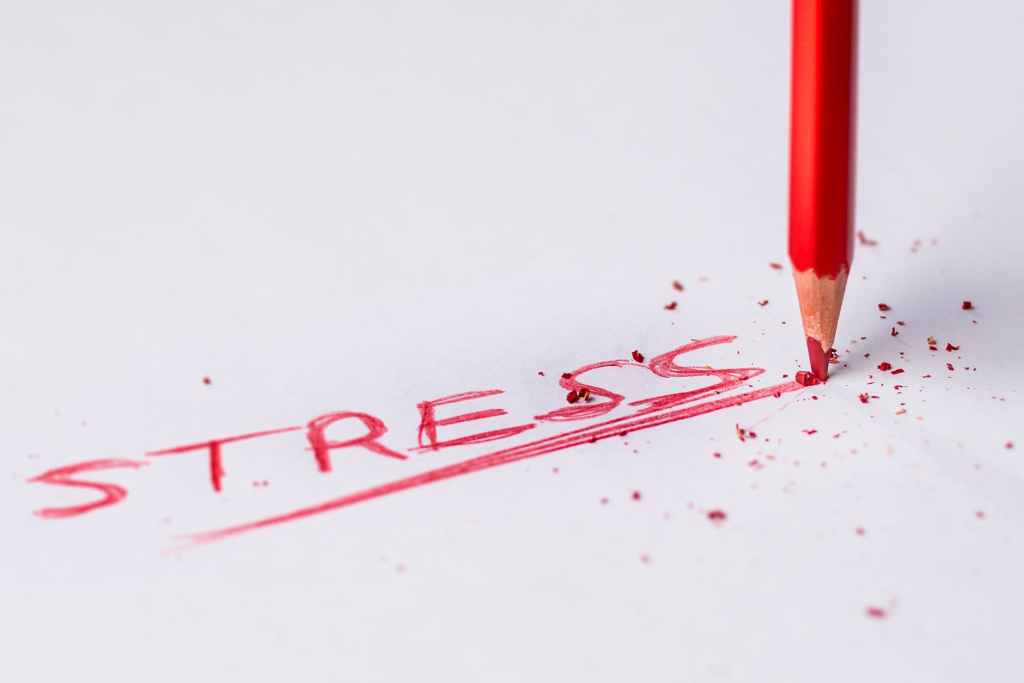
Productivity’s biggest selling point though? It presents as a convincing solution to chaos. Here’s a sample: “Stressed? Try these hacks to accomplish more in little time.” The promise here, sometimes implied but just as often stated directly is that increasing productivity can lead to a calmer and happier life.
But when we have the wrong things on our plates, no amount of hacks will help since improving one’s efficiency does nothing to open our eyes to the responsibilities we are ignoring. Productivity for the sake of productivity is a false God, providing cover when, for the sake of following through on on X, Y and Z we excuse ourselves for dropping the ball on A, B and C.
In this sense, productivity, like alcohol or drugs, is only masquerading as a solution to a better life. If we want to be more productive, we have to zero in on that which we have been avoiding. The phone call. The paperwork. Whatever.
The question is not how to take care of more business. It’s how to take care of the right business. Are you taking care of yours?
JM.

 The Boring Cafe